# A Kidney Transplant Journey from North Africa to Türkiye: International Patient Coordination and Organ Transplant Experience at Başkent University
Kuzey Afrika’dan Türkiye’ye Uzanan Böbrek Nakli Süreci: Başkent Üniversitesi’nde Uluslararası Hasta Koordinasyonu ve Organ Nakli Deneyimi —
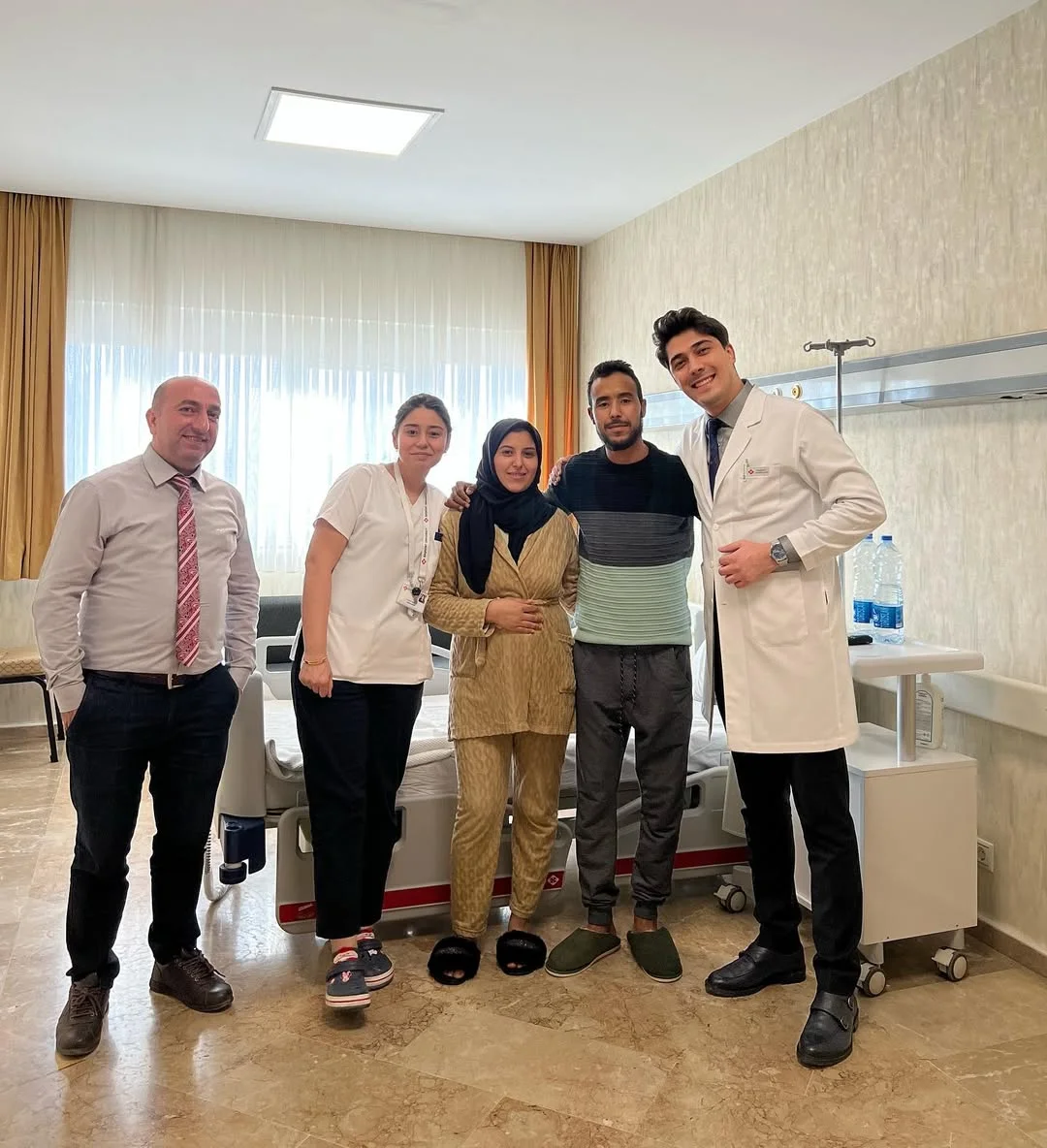
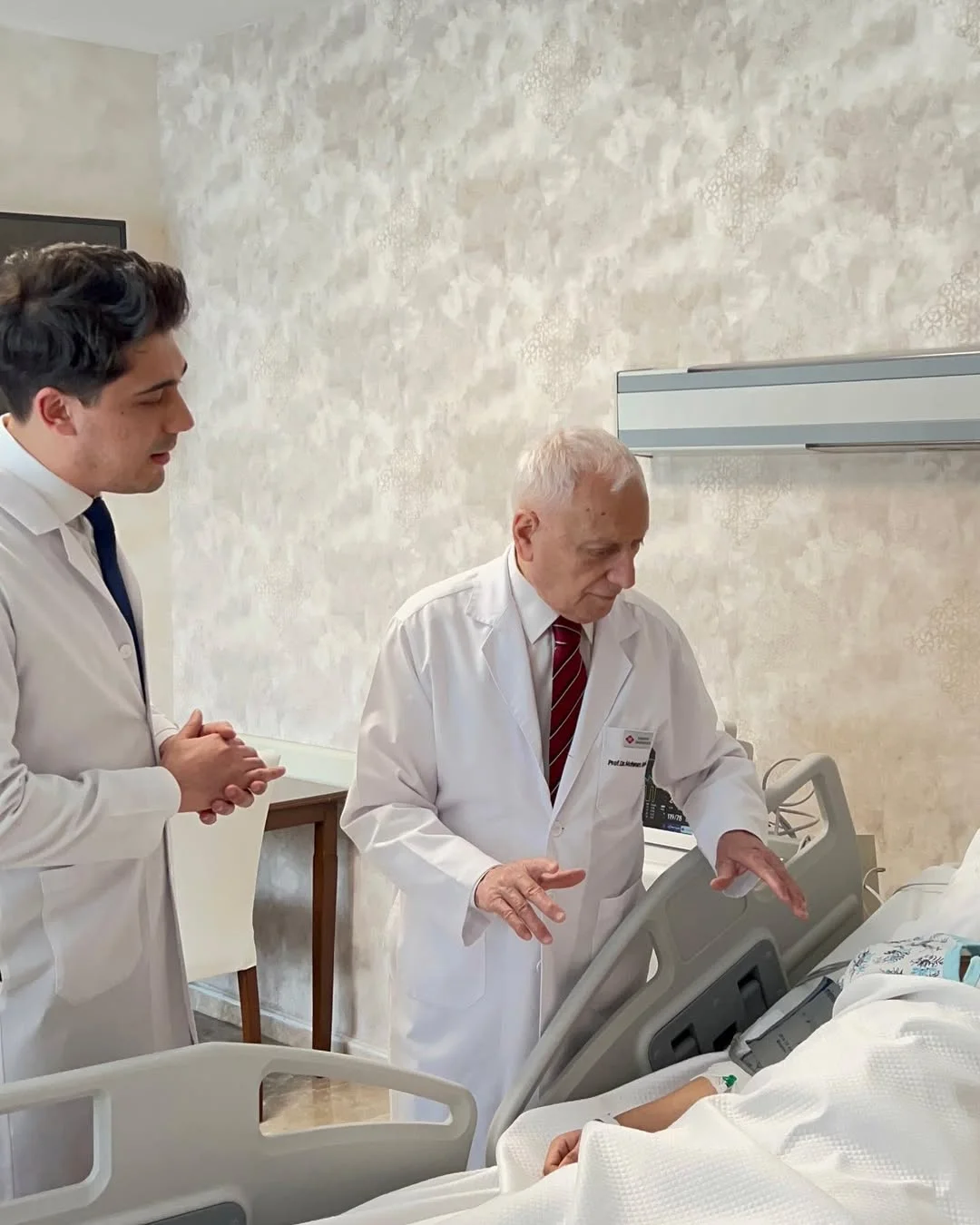
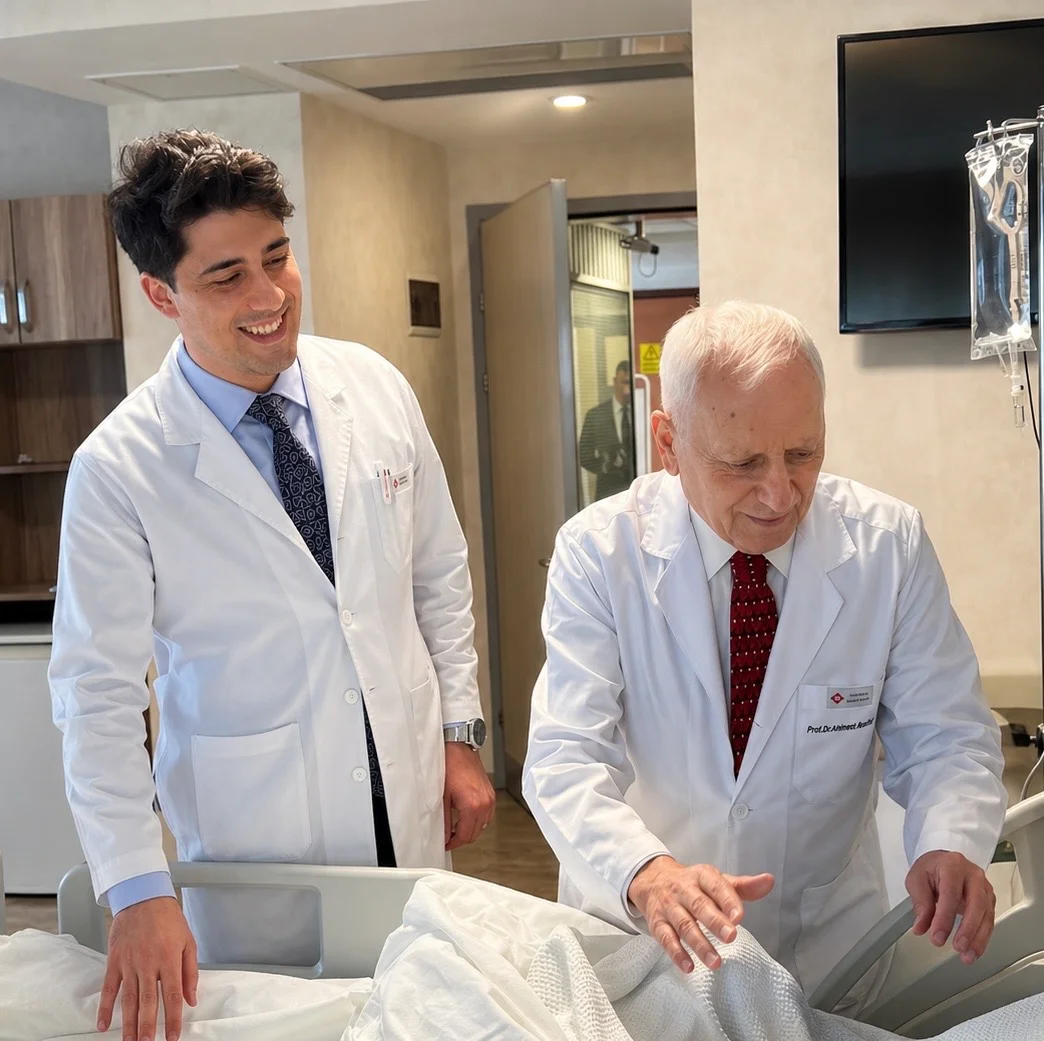
Prof. Dr. Mehmet Haberal, Founder Rector of Başkent University and one of the pioneering figures in organ transplantation in Türkiye, continues to lead longstanding academic and medical efforts in the field of organ transplantation and international healthcare services. Prof. Dr. Mehmet Haberal is widely recognized for his contributions to the development of organ transplantation programs in Türkiye. He was among the leading physicians involved in the country’s early successful kidney transplant programs and also among the pioneers of the region’s first living-donor liver transplantation procedures. His work has played an important role in advancing medical education, surgical training, and international healthcare collaboration. Başkent University’s healthcare vision focuses not only on patient treatment, but also on medical education, physician training, and international academic cooperation. Reflecting this vision, Prof. Dr. Mehmet Haberal has stated: > “Let it now be known that there is a Türkiye in this world, and within it, there is Başkent University. > Whatever they need in science, healthcare, or education, they should tell us, and we will do what is necessary. > We will treat their patients, train their doctors, educate their students, and we will not leave them dependent on other countries.” Within this framework, Khalid, a kidney patient from North Africa, was evaluated through the international patient services of Başkent University Hospitals. Following multidisciplinary medical assessments and review of his medical records, he was considered for living-donor kidney transplantation. Khalid’s sister voluntarily participated in the process as the donor, highlighting the importance of organ donation and family solidarity. The entire process — including medical evaluations, laboratory testing, surgical planning, hospitalization, and post-transplant follow-up — was coordinated collaboratively by transplant teams, relevant medical departments, and international patient coordination units. The organ transplant teams at Başkent University continue to provide medical and academic services based on decades of clinical experience. Khalid and his sister became one of many international patient cases managed within Başkent University’s healthcare institutions. Throughout the treatment journey, Dr. Omer Ali Kerkuklu from the International Patient Department at Başkent University Konya Hospital closely coordinated the process, including pre-transplant planning, patient organization, and post-operative follow-up. Continuous communication was maintained with the family while medical and organizational aspects were managed together with the relevant teams. Following the successful transplant procedure, both Khalid and his donor sister continued to receive regular medical follow-up within a structured long-term care program. Organ transplantation remains one of the most significant fields of modern medicine, emphasizing the life-saving value of organ donation and the importance of international medical collaboration in supporting patients from different parts of the world. At Başkent University Hospitals, organ transplantation processes are conducted within a comprehensive academic and medical framework based on multidisciplinary teamwork, ethical principles, and internationally recognized medical standards.